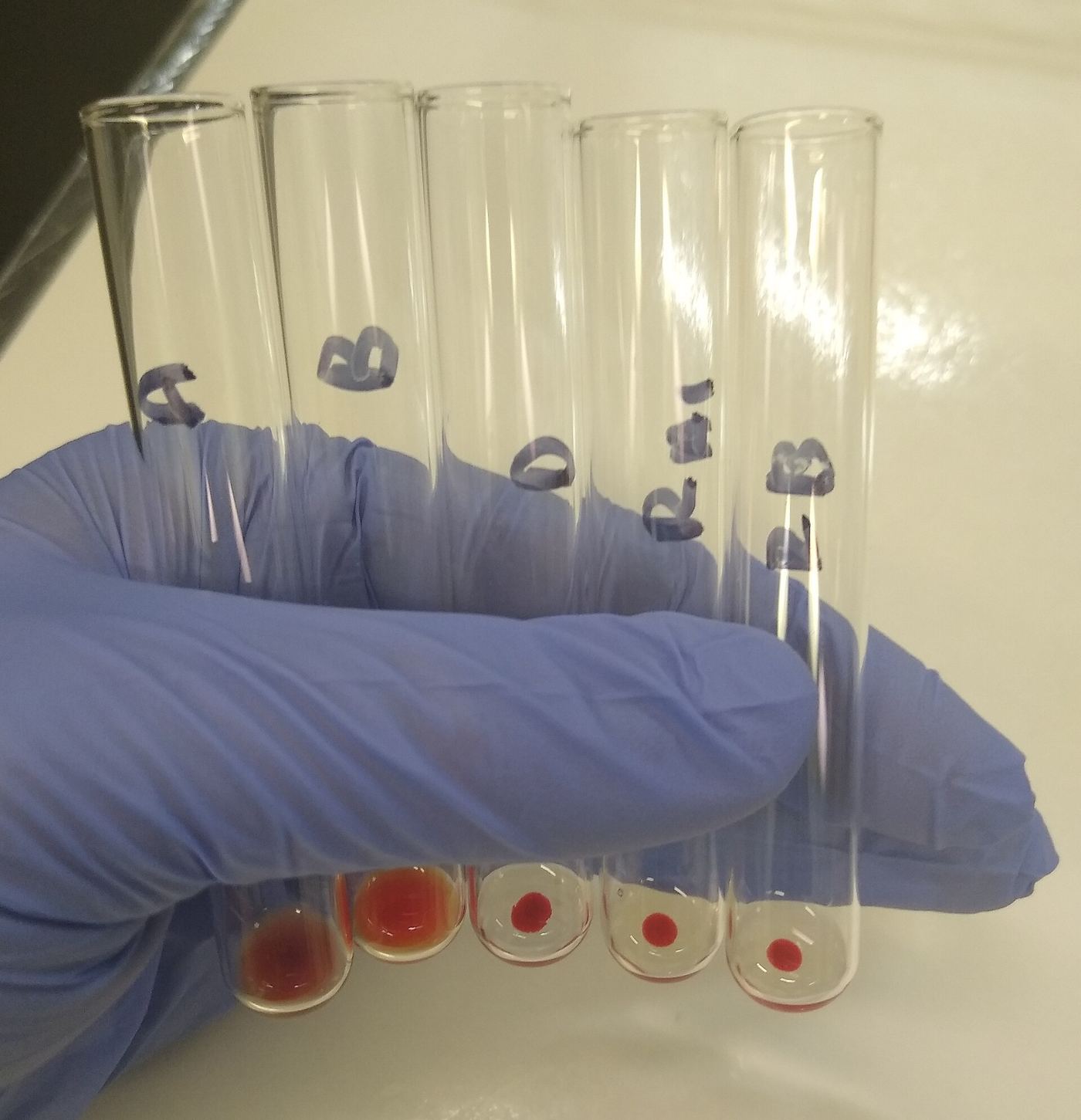
Two new blood tests for Alzheimer’s disease have been cleared by the Food and Drug Administration and are now available for doctors to order, offering a far simpler way to detect the disease than brain scans or spinal fluid tests. C2N Diagnostics announced on 16 November that its FDA-cleared PrecivityAD2 test is now available for adults aged 40 and older with cognitive symptoms, the first cleared test for patients that young. Roche’s Elecsys Phospho-Tau 217P test was cleared alongside it. Both tests measure blood biomarkers linked to amyloid plaques in the brain, and studies show they detect Alzheimer’s pathology with more than 90 percent accuracy.
What the Evidence Shows
A study from Lund University in Sweden, published in Nature Aging in November, found that the improved blood tests perform as accurately as the cerebrospinal fluid tests that have long been the standard, across American, Swedish memory clinic and Swedish primary care groups. The PrecivityAD2 test uses high-resolution mass spectrometry to measure two biomarkers, the percentage of phosphorylated tau 217 and the amyloid-beta 42/40 ratio, combining them into an Amyloid Probability Score. For now the tests are recommended mainly in memory clinics and specialist care, but work is under way on how they could be used in primary care, where most patients first report memory problems. Reporting and analysis from sources such as National Institutes of Health track the same developments, and specialists following the new Alzheimer’s blood tests say the direction is now consistent across independent lines of evidence.
The Wider Context
The wider context is a health system trying to move from treating illness late to preventing it early, against budgets that reward the opposite. Evidence around the new Alzheimer’s blood tests is being weighed by guideline committees that ask two questions in order: does it work, and can ordinary services actually deliver it at scale. Many good ideas pass the first test and stall on the second.
What Happens Next
What happens next for the new Alzheimer’s blood tests depends on the slow machinery of guidelines, funding and training catching up with the evidence. Patients asking about it today should expect honest answers that include uncertainty, and clinicians say a service that explains what is not yet known earns more trust than one that oversells. The research pipeline, at least, is moving in the right direction. You can follow related developments in our coverage of health.
None of this will be settled by a single announcement, study or product launch. The pattern to watch is accumulation: independent confirmations, honest reporting of failures and steady improvement in the underlying numbers. Readers who follow those signals, rather than the loudest claim of the week, will understand this subject better than most of the commentary surrounding it suggests is possible.